What to ask a gardener or landscaper
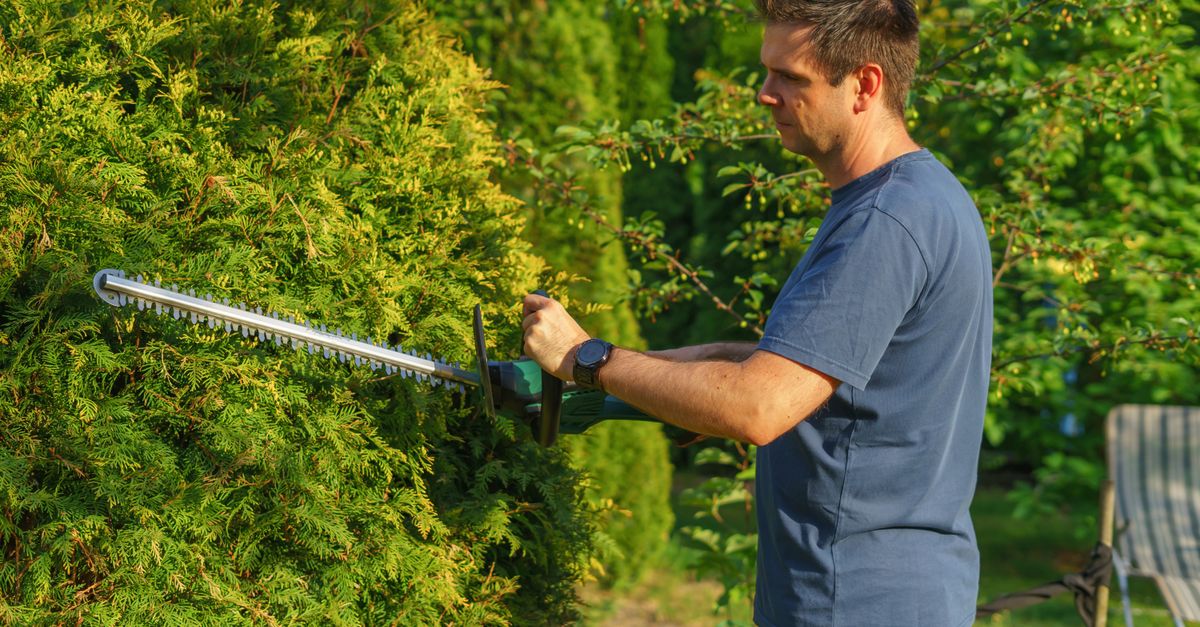
Be clear whether you want maintenance or landscaping, because they’re two different trades, and get any job longer than a day in writing before anyone turns up.
“Gardening” can mean someone popping round to cut the grass or a six-week patio-and-planting overhaul, and mixing the two up is where most bad experiences start. There are gardeners and landscapers listed on WotsItCalled, and which one suits you depends on what you’re asking for.
Maintenance vs landscaping: know which one you need
Most will do a bit of both, but they usually lean one way, so ask them outright.
- Maintenance. A weekly or fortnightly mow, hedge trim, weeding and tidy, with the green waste taken away. It’s steady work, usually priced per visit or on a monthly contract, and a good local gardener for it is worth hanging on to.
- Seasonal jobs. The spring tidy, the autumn clear-up and the once-a-year pruning. These fit alongside regular maintenance or work as one-offs.
- Landscaping. Patios, decking, new lawns, walls, drainage, turfing and planting schemes. This is project work, with different skills, different insurance and a different kind of quote.
- Tree work. Anything bigger than a branch or two is a job for an arborist. Proper tree surgeons are trained and insured for it, and a gardener with a chainsaw and plenty of enthusiasm is how accidents happen.
Questions for a maintenance gardener
- What’s included in the price? Lawn, hedges, borders, sweeping up? Some include green waste removal and some charge extra.
- What happens if you can’t come that week? Weather, illness and holidays happen. Decent gardeners reschedule, while unreliable ones go quiet.
- Are you insured for public liability? It always matters, because mowers fling stones and hedge trimmers hit cables. £1 to 2 million is standard.
- Do you take green waste? If so, where does it go? If not, you’ll be filling the brown bin for weeks.
- Can I pay monthly? A regular payment is easier than finding cash every visit.
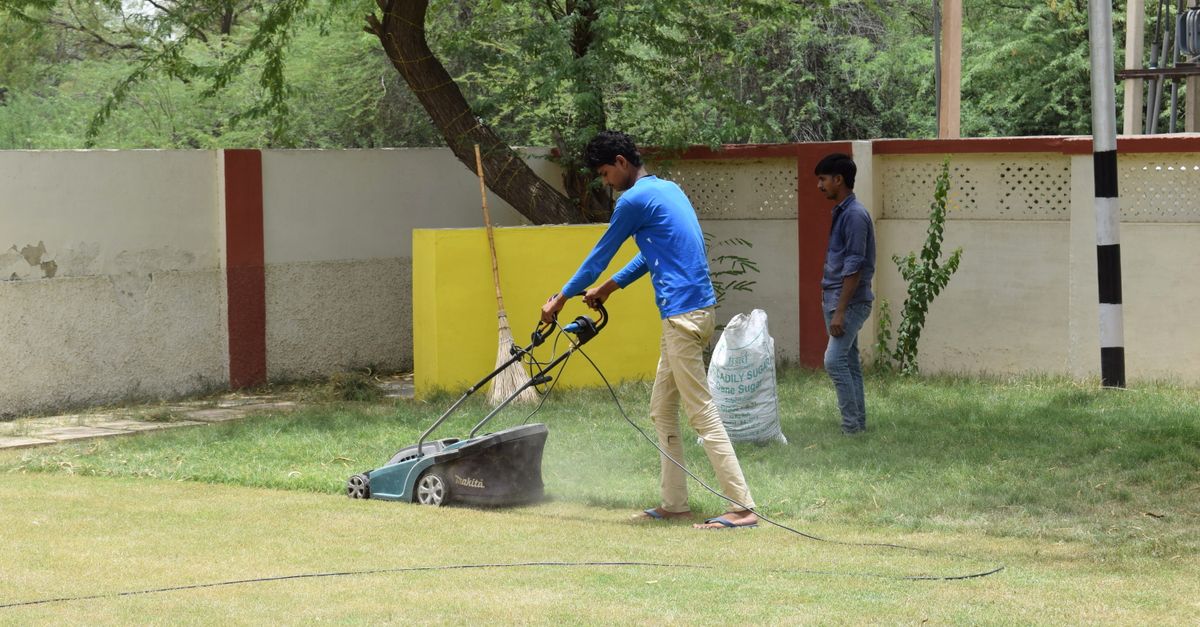
Questions for a landscaper
With landscaping you’re signing off on project work that could run into thousands, so the bar is higher.
- Can I see photos of similar jobs you’ve done? Their own work, not stock photos. Pick one and ask when it was done, how long it took and whether anything went wrong.
- Will I get an itemised written quote? It should split out labour, materials, preparation, waste disposal and VAT. A vague one-line quote is how a job ends up costing double.
- How do you handle payments? On bigger jobs, staged payments (deposit, milestone, completion) are normal. Don’t pay everything up front, though being asked for nothing at all can be a warning sign too.
- What’s the timeline? Ask for a start date, an expected finish and what happens if the weather holds things up.
- Who actually does the work? Is it the person quoting or a team, and are they employees or subcontractors?
- What guarantees do you offer? A proper landscaper stands behind their work for at least 12 months. For paving, drainage and walls, you want that in writing.
Red flags in both kinds of gardener
- Cash-only with no receipt. For a £20 mow it’s not a dealbreaker. For £5,000 of landscaping, walk away.
- Turned up unannounced offering to do your drive. The classic. The work is almost always poor, often overpriced, and they’re gone by the time you spot the problem.
- No written quote for project work. Verbal promises cost nothing, so get it on paper.
- Won’t give you the address of a recent job to drive past. Good landscapers are proud of their work. Bad ones keep you well away from old customers.
Where to find one
The gardeners and landscapers directory lists both maintenance gardeners and landscaping firms. Start with your nearest city: gardeners in Bristol, Chester, Liverpool or Manchester.
Seasonal rhythm of a garden
Knowing what gets done when helps you budget and keeps a good gardener on side. Roughly, the year goes like this.
- Winter (December to February). Pruning fruit trees and deciduous shrubs, cutting back perennials, fixing fences and planning for spring. Gardeners are at their quietest, so it’s the best time to book bigger jobs.
- Early spring (March). The first mow, tidying borders, mulching and getting beds ready. As soon as the grass starts growing, the phones start ringing.
- Late spring (April to May). Regular mowing starts, along with hedge trims and planting out. Demand peaks and diaries fill up.
- Summer (June to August). Weekly maintenance, watering in dry spells, a second hedge trim and deadheading. Busy, but steady.
- Autumn (September to November). Clearing leaves, final hedge cuts, scarifying and reseeding the lawn, and planting spring bulbs before the winter clean-up.
If you’re hiring a gardener for the first time, find one before spring, by February or March at the latest. For project work, ring a landscaper three to six months before you want it done.
The short version
- Maintenance and landscaping are different jobs, so be clear which you’re after.
- For weekly mowing, ask what’s included and whether they take green waste.
- For landscaping, get an itemised written quote and ask about staged payments.
- Tree work goes to an arborist, not a gardener.
- Good gardeners will happily show you previous jobs.
WotsItCalled is a free UK business directory. No signup, no catch. Find the place everyone’s on about, or browse the full gardeners and landscapers directory.
