What to ask a home improvement contractor

Get three quotes, check insurance and warranties, and make sure the contract says exactly what’s being done, with which materials, by when and for how much.
“Home improvement” covers everyone from kitchen fitters and window installers to full renovation contractors. What they have in common is that the jobs are expensive, take weeks or months, and go memorably wrong when they go wrong. There are home improvement contractors listed on WotsItCalled, and checking them out properly matters more here than almost anywhere.
Match the contractor to the job
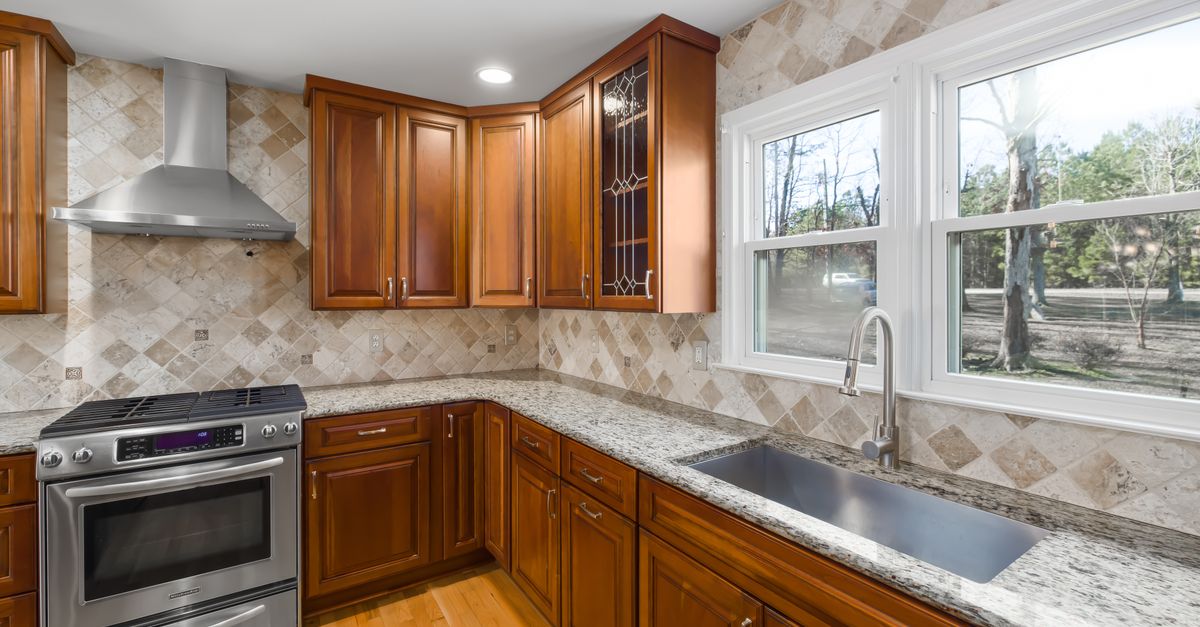
- Kitchen fitter. Usually works alongside a kitchen supplier (Howdens, Wren, Magnet or an independent) that designs and sells the units, and the fitter installs them. Some do the plumbing and electrics too, and some don’t.
- Bathroom fitter. Much the same. Often one trade covers tiling, plumbing and electrics, or a lead tradesman brings in specialists.
- Window installer. Should be FENSA or CERTASS registered, which means they can self-certify that the work meets Building Regulations. Without that, notifying Building Control falls to you.
- Extension builder. This is general builder territory, so the usual builder checks apply, plus an architect or structural engineer for the design.
- Loft conversion specialist. Often one firm handles the lot: design, structural calcs, build and fit-out.
- Driveway and landscaping. Drives are a specialism of their own. Look for Marshalls-approved or Brett-approved installers.
Registrations that actually mean something
- FENSA / CERTASS. For window and door installers, covering self-certification under Building Regs.
- Gas Safe. Required for any gas work, no exceptions.
- NICEIC / NAPIT. For electrical work, and lets the electrician self-certify under Part P.
- TrustMark. Government-endorsed and covers many trades. Members follow a code of practice.
- Which? Trusted Trader. Vetted and monitored. Traders pay to join, so it shows some commitment.
- HETAS. For solid fuel appliances and wood burners.
- MCS. For renewable installs such as heat pumps and solar, and needed for grant schemes.
A registration is a starting point rather than a guarantee, but it narrows the field a lot.
The quote stage: what you should actually get
A proper home improvement quote runs to three pages, not three lines. It should include:
- Itemised labour and materials. Units, worktop, appliances, taps, plumbing, tiling, electrics, removing the old kitchen and waste disposal should each have their own line.
- Brand and specification. Which tap and which worktop, not just “a tap”. You should be able to look up every item if you want to.
- Timeline. A start date, expected duration and any known gaps, such as waiting on parts or other trades.
- Payment schedule. Staged rather than up front (see below).
- VAT. Clearly marked as included or excluded. £10,000 + VAT and £10,000 including VAT are different bills.
- Exclusions. What ISN’T in the quote, such as unexpected structural work, decorating or making good. You want to know before you sign.
Payment terms that won’t burn you
- Small deposit, if any. 5 to 10% at most to secure the booking. Paying more towards materials is fair, but only if you see the invoice.
- Stage payments on completion of each phase. Pay when a stage is finished, not at the start or halfway through: “first fix complete”, “second fix complete”, “install complete”.
- Final 5 to 10% on snagging. Hold it back until everything on your snagging list is sorted. That’s what gets the last bits done.
- Bank transfer, not cash. It leaves a record for both sides.
Questions to ask before signing
- How long is the warranty on the work, and who underwrites it? Is it the contractor, or a scheme like FENSA or TrustMark? A scheme-backed warranty is worth more, because you’re still covered if the contractor goes under.
- Who handles building control / planning notifications? Get it in writing so it doesn’t fall between you.
- Can I see a recent job of the same type? A real one you can drive to, ideally with an owner you can talk to, rather than a photo.
- What’s your snagging process? Decent contractors expect snagging and have a routine for it. Bad ones take every snag as a personal insult.
- What happens if you hit a problem we didn’t expect? There should be a variations process, with any extras quoted separately before the work is done.
- What are your hours on site, and how do you handle mess and waste? Protecting existing floors, where the skip goes and the end-of-day clean-up are all worth agreeing before you’re living with it.
Where to find them
The home improvement directory covers contractors across the UK, including Liverpool, Manchester, Leeds and Birmingham. Shortlist three, get three quotes, and check every reference and registration.
When things go wrong: how to handle it
Even after all the checks, things sometimes go wrong, and how you handle the first problem usually sets the tone for the rest of the job.
- Raise it in writing, calmly and specifically. Skip the rant. Describe the problem clearly, add photos if they help, and say what you want done.
- Give them a chance to fix it. Most decent contractors are glad of the chance. It’s the bad ones who get defensive.
- Keep paying on schedule if the work is still progressing. Withholding payment on a job that’s mostly fine escalates things fast.
- Keep a record of everything. Dates, conversations and photos. You’ll need them if it turns into a dispute.
- Use the scheme if there is one. TrustMark, FMB and Which? Trusted Trader all have dispute resolution, which is cheaper and quicker than court.
The short version
- Kitchen fitters, bathroom fitters and window installers are different specialisms, so match the contractor to the job.
- Look for registrations that carry legal weight, such as FENSA, NICEIC and Gas Safe, plus TrustMark.
- A proper quote is itemised and brand-specific, has a timeline, and spells out VAT and exclusions.
- Pay in stages on completion, never up front, and hold 5 to 10% back for snagging.
- A scheme-backed warranty protects you even if the contractor disappears.
WotsItCalled is a free UK business directory. No signup, no catch. Find the place everyone’s on about, or browse the full home improvement contractors directory.
