Roof and gutter checks before winter storms
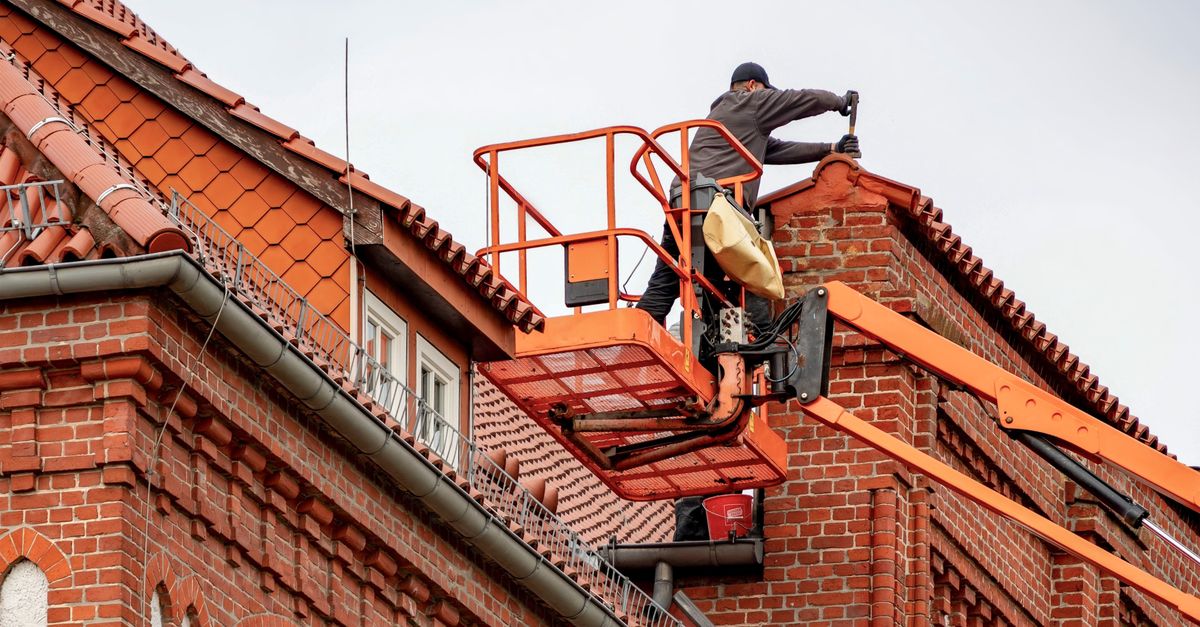
Most roof damage from a winter storm starts long before the storm arrives. A cracked tile, a gutter full of leaves or a bit of loose flashing is easy to fix on a dry day in October. The same problem in January, with water coming through the bedroom ceiling and every roofer in town fully booked, costs a lot more and takes a lot longer.
Roofers are listed under builders on WotsItCalled, so the pages to look at are builders in Newcastle, Glasgow, Edinburgh, Liverpool, Wirral, Chester and Bristol. You’ll get addresses, phone numbers and, on a lot of listings, review scores.
What you can check from the ground
You don’t need a ladder for this, and you shouldn’t use one on a windy day. Walk round the house on a clear morning, ideally with binoculars, and look for:
- Slipped, cracked or missing tiles or slates. A single gap is enough to let water in.
- The ridge tiles along the top. Mortar that’s crumbling or missing is common on older roofs.
- Flashing. That’s the metal (usually lead) strip where the roof meets a chimney, a wall or a dormer. If it’s lifting or has gaps, water will find them.
- The chimney stack. Loose pointing, a leaning pot or plants growing out of it are all worth a closer look by someone qualified.
- Gutters and downpipes. Sagging sections, joints dripping in the rain, or plants sprouting from the gutter mean they’re blocked.
- Flat roofs. Puddles that sit for days after rain, or felt that has blistered or split.
Check the loft as well
On a bright day, go up into the loft with a torch and switch it off once you’re up there. Any daylight coming through the roof is a gap. Look for damp patches or dark staining on the timbers and the underside of the felt, and for insulation that’s wet or compressed. Do this carefully: step only on the joists or boarded areas.
Gutters: timing matters
Clearing gutters in October is sensible, but if you have trees nearby, a second clear-out once the leaves have finished falling in late November is what stops them overflowing in winter storms. Blocked gutters overflow down the walls, and that’s how a lot of damp problems in older houses start. Many window cleaners and gardeners offer gutter clearing too, so ask whoever you already use.
Choosing a roofer
Roofing attracts more than its share of cold callers, especially after a big storm. A few rules keep you out of trouble:
- Don’t agree to work from someone who knocks on the door. A genuine roofer rarely needs to find work that way. Ring someone you’ve checked yourself.
- Get a written quote that says exactly what will be done, what materials will be used and whether scaffolding is included.
- Ask about guarantees. A good roofer will guarantee their own work for a set period.
- Ask whether they belong to a trade body. The National Federation of Roofing Contractors (NFRC) is the main one, though plenty of good small firms aren’t members.
- Don’t pay the full amount up front. A deposit for materials on a larger job is normal. Paying everything before work starts isn’t.
- Ask for photos. A good roofer will show you the problem they’ve found, so you’re not taking it on trust.

Insurance covers storms, not wear and tear
Most home policies pay out for storm damage and not for wear and tear. If a tile that was already loose blows off, an insurer may say it was a maintenance problem rather than the storm. Keeping the roof in decent order, and keeping any invoices for repairs, puts you in a better position if you ever need to claim. Check your own policy wording for what counts as a storm.
Roofers and builders to start with
Some firms from the listings, with review scores where the listing shows one:
- Newcastle: Hadrian’s Home Improvements, a roofing firm, and R J Rowley Roofing in Spital Tongues. More on the Newcastle builders page and across Newcastle.
- Edinburgh: Bolton Roofing Contractors in Leith and Edinburgh Roof Company in Prestonfield. More on the Edinburgh builders page and across Edinburgh.
- Glasgow: Roofers Glasgow West End on Garscube Road. More on the Glasgow builders page and across Glasgow.
- Wirral: M J Cooper Builders in Hoylake, 4.9 from 15 reviews. More on the Wirral builders page and across Wirral.
- Liverpool: Abbey Builders in Old Swan, 4.8 from 29 reviews. More on the Liverpool builders page and across Liverpool.
The short version
- Check tiles, ridge, flashing, chimney and gutters from the ground in October.
- Look for daylight and damp in the loft.
- Clear gutters again once the leaves have fallen.
- Never hire a roofer who turns up at the door. Get written quotes and a guarantee.
- Find roofers on the builders pages for Newcastle, Glasgow, Edinburgh and Liverpool, or the national builders directory.
WotsItCalled is a free UK business directory. No signup, no catch. Find the place everyone’s on about.