Free Business Listing Sites for UK Small Businesses in 2026
For most UK small businesses, start with Google Business Profile, Bing Places, Apple Business Connect and a Facebook Page. Then add one or two relevant review, trade or industry platforms, plus selected general directories that are genuinely free and worth maintaining. Business listings can help people find you, call you, request directions and check that your details are real, but they do not guarantee a higher Google ranking. Google says local results mainly depend on relevance, distance and prominence, and businesses cannot pay for better local ranking. Google local-ranking guidance explains the limits.
Start with the official platforms
Set up and verify the main profiles before spending time on a long list of directories. These platforms are free, widely used and connected to search, maps or local discovery.
- Google Business Profile. This is the first priority for an eligible business. It can show your hours, photos, services, reviews, phone number and directions in Google Search and Google Maps. Your business must interact with customers in person and the profile must be verified. Check Google’s eligibility guidance.
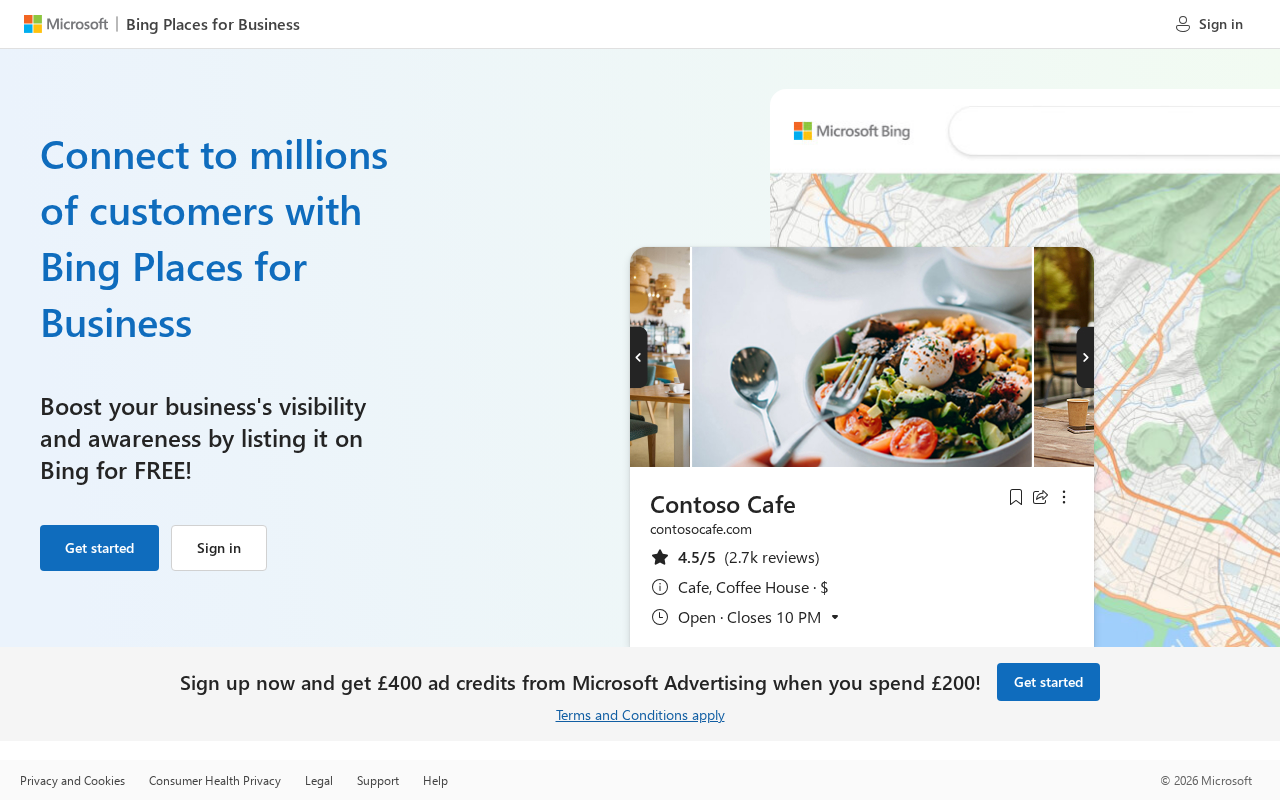
- Bing Places for Business. Claim it after Google so your business can appear in Bing Search and Bing Maps. You can add photos, opening hours and services, then complete the verification process. Use Bing Places.
- Apple Business Connect. This helps keep your details accurate across Apple Maps, Siri, Mail and other Apple surfaces. Some features require verification. Read Apple’s getting-started guide.
- Facebook Page. A Page gives people a free way to find your business, send messages, see photos, discover events and read social proof. It is useful, but it is not a replacement for your website or Google Business Profile.
Use the same real trading name, main phone number, website and address everywhere. If you run a service-area business, use the platform’s service-area settings where available. Do not invent a shopfront address or create a fake location.
Add relevant directories selectively
Once the official profiles are in place, choose directories based on whether your customers actually use them. A relevant platform can bring calls, referrals, reviews or enquiries. A large number of empty profiles usually creates maintenance work without a clear benefit.
- FreeIndex. A free UK business profile can support reviews, quote requests and lead alerts. It is particularly relevant to service businesses and has an optional Premium upgrade. Check the current FreeIndex offer.
- Cylex. Standard business profiles are free and can include services, photos, offers and reviews. Paid products and some bulk-upload options are separate, so check what you are selecting before agreeing to anything. Read the Cylex FAQ.
- Yelp UK. Claim the existing business page or add one if needed. It may be useful in hospitality, food, retail and some urban markets. Claiming the page is separate from optional advertising. Yelp for Business.
- Nextdoor. A free Business Page can help with neighbour recommendations, local awareness and community referrals. It is especially relevant to household services, food, classes, local retail and other community-facing businesses. Paid posts and advertising are optional. See Nextdoor’s Business Page information.
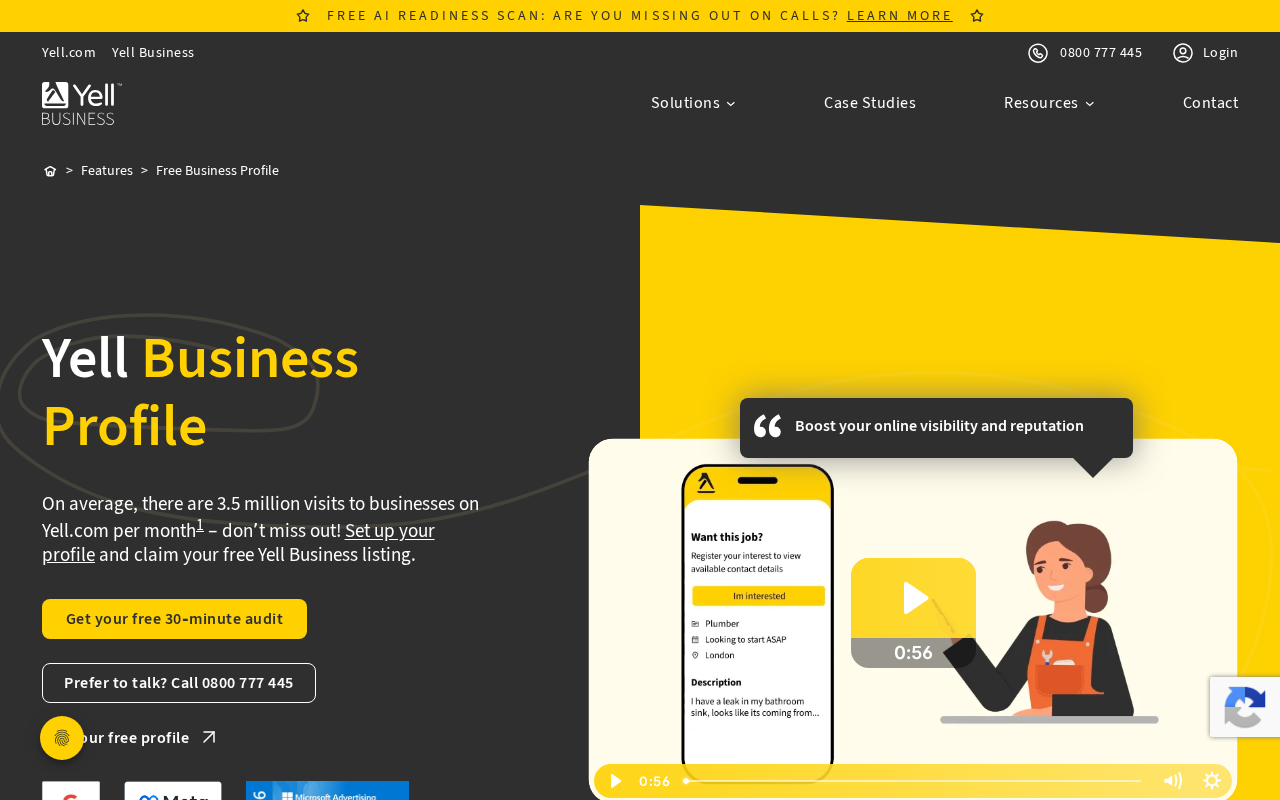
- Yell. The basic listing is free, although paid advertising and marketing upgrades are offered. Read the terms carefully, because a free profile can later be replaced by paid advertising or terminated. Check Yell’s free listing.
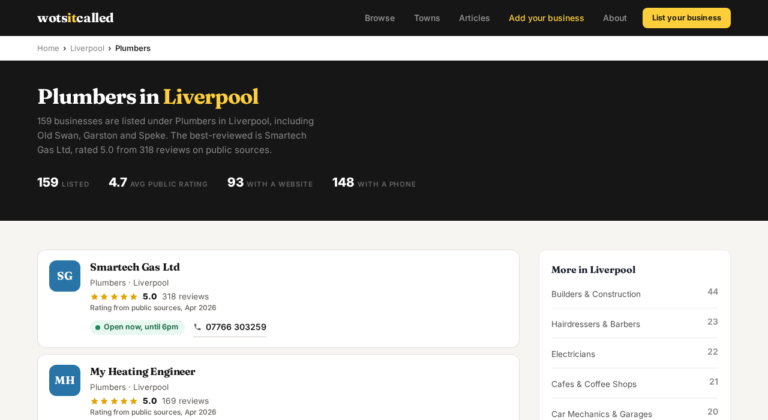
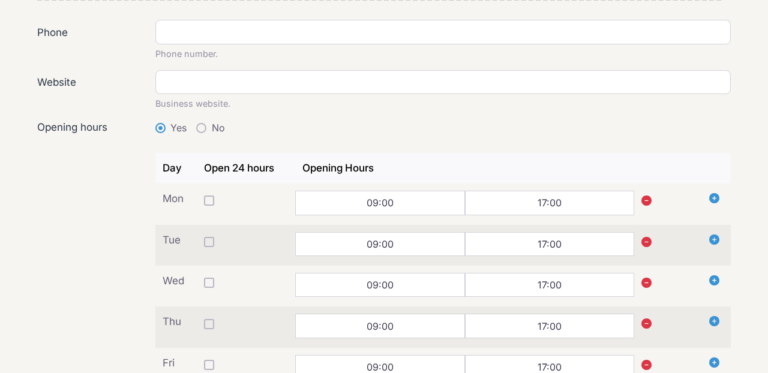
- WotsItCalled. WotsItCalled lists 16,773 UK businesses. Listing and claiming are free, and will stay free, and you can edit your listing as often as you like. Every new listing is checked by a person, it is for UK businesses only, and food businesses show their Food Standards Agency hygiene rating. Treat it as one optional directory alongside the other relevant platforms. Claim or add your listing.
Trade and professional directories can be more valuable than general directories when customers care about qualifications, insurance or professional standards. Look for a relevant regulator, professional register, chamber, council, BID or industry body. Membership costs and eligibility vary, so check the specific organisation rather than assuming every register is free.
Know which free offers have limits
Some platforms advertise a free option that is limited, temporary or connected to paid features. That does not automatically make them bad, but you should record the terms before adding the listing.
- Thomson Local. Its free listing is explicitly limited to three months. Website links, richer profiles and priority placement are paid features. Check the offer before signing up.
- Scoot. Scoot says it is winding down in October 2026, so it is no longer worth adding a new listing there. Read the announcement.
- Trustpilot. Businesses can claim a profile on the free plan, with paid plans available. Paying does not change the rules that apply to reviews. See Trustpilot’s business model.
- Checkatrade and MyBuilder. These are relevant to tradespeople, but free does not mean every lead or feature is free. Checkatrade has a free profile and paid plans, while MyBuilder allows tradespeople to respond to leads for free but charges a shortlist fee when a customer shares contact details.
What listings can do for SEO
A local citation is a business mention containing some combination of your name, address, phone number, website, category, opening hours or service area. Keeping those details accurate across reputable sources can help customers, map services and search engines understand who you are and where you operate.
Consistent information can reduce confusion, prevent people being sent to an old phone number or address, limit duplicate profiles and make map verification easier. Perfect character-for-character matching is not required. High Street and High St are usually understandable variants. Use your real trading name, correct address, monitored phone number and canonical website.
Good listings may generate direct calls, visits, referral traffic, reviews, brand mentions and legitimate links. They can also reinforce the relationship between your business, its services and its location. Google says prominence can be influenced by information such as links from other websites and the number and quality of reviews, but it does not say that every directory citation improves rankings. Read the local-ranking guidance.
Your own website can provide another clear source of information. Google supports LocalBusiness structured data containing details such as your name, address, phone number, opening hours and location. See Google’s LocalBusiness documentation.
What listings cannot do
- Guarantee a first-page Google result or a place in the local pack.
- Guarantee a do-follow backlink, faster indexing or a higher Domain Rating.
- Guarantee more customers or protect you from negative reviews.
- Justify submitting hundreds of near-identical profiles.
Large-scale submissions can create duplicate, outdated or spammy information. Google identifies low-quality directory links created mainly to manipulate rankings as link spam. Measure a directory by calls, enquiries, referral traffic, branded searches and completed jobs, not by the number of profiles you create. Read Google’s spam policies.
Keep every profile accurate
Create one master record before you start. Include your official trading name, registered and public-facing address, main phone number, website, email address, opening hours, holiday hours, service area, categories, short description, logo, photographs, company number, qualifications and accreditations where relevant, review links, login owner and recovery email.
Keep a spreadsheet with the directory name, listing URL, account owner, date checked, last update, whether it is free, paid or trial-based, renewal date and removal or cancellation process. Review your most important profiles quarterly and whenever your address, phone number, website, hours or ownership changes.
Watch for paid directory scams
Be cautious if someone calls claiming to be Google, Bing or a government directory, says you must pay to keep a free Google listing, promises a guaranteed Google position or sends an invoice for a listing nobody authorised. Other warning signs include a similar-looking domain, immediate-expiry pressure, a hidden 12-month contract, automatic renewal, an unexplained renewal charge or a request for administrator access to your email, Google or social accounts.
Google says third parties must be transparent about their identity, services, costs and expected results. They must not falsely claim affiliation with Google, sell no-charge Google products as paid insertion products or guarantee top placement. Read Google’s third-party policies.
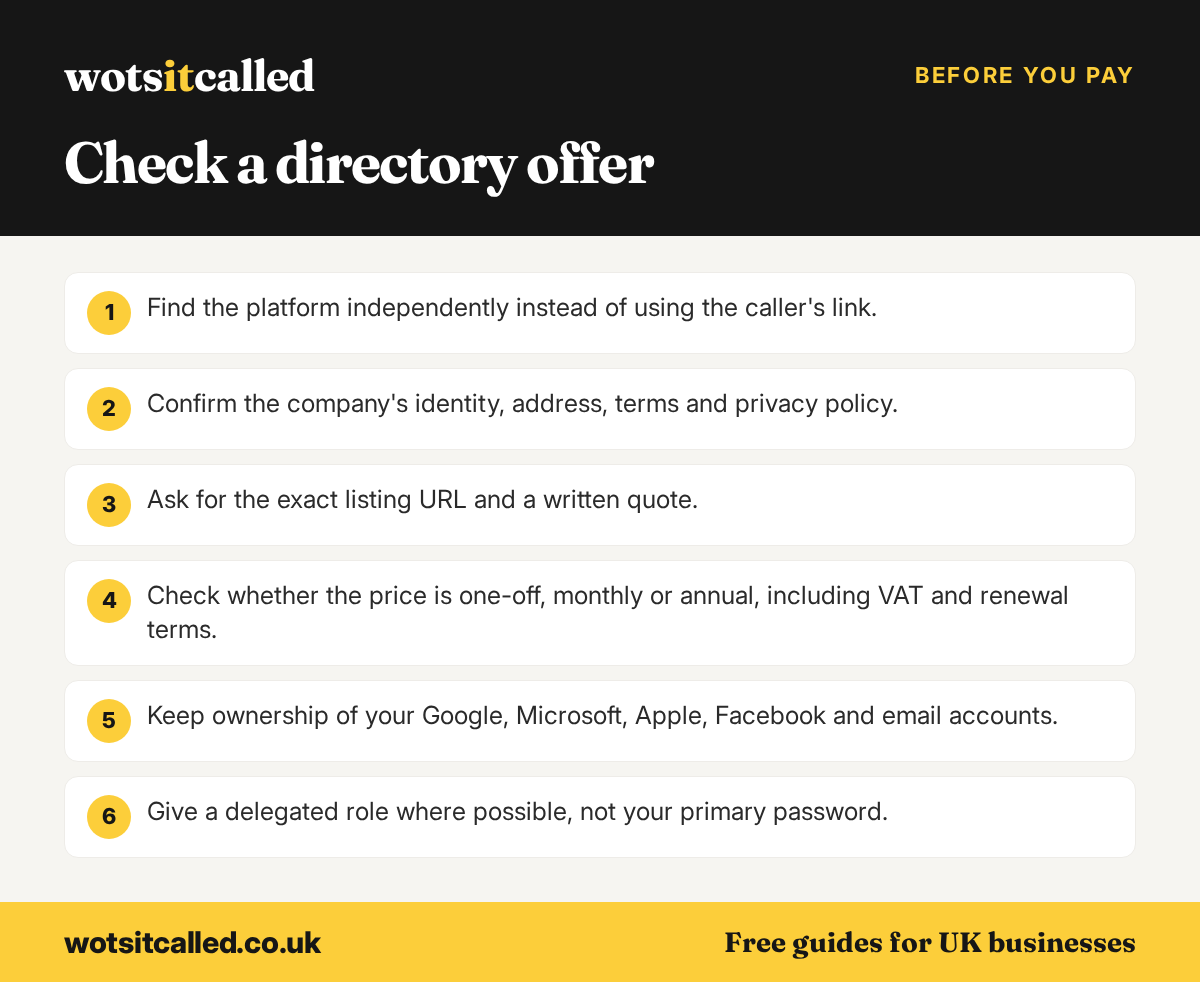
- Find the platform independently instead of using the caller’s link.
- Confirm the company’s identity, address, terms and privacy policy.
- Ask for the exact listing URL and a written quote.
- Check whether the price is one-off, monthly or annual, including VAT and renewal terms.
- Keep ownership of your Google, Microsoft, Apple, Facebook and email accounts.
- Give a delegated role where possible, not your primary password.
Do not buy or manufacture reviews
UK consumer law changed on 6 April 2025. Fake reviews, commissioning fake reviews and concealed incentivised reviews are prohibited practices under the Digital Markets, Competition and Consumers Act 2024. Read the GOV.UK guidance.
- Do not buy positive reviews or ask staff, friends or family to pose as customers.
- Do not offer money, gifts or discounts only for five-star reviews.
- Do not ask only happy customers for reviews while filtering out unhappy customers.
- Do not copy reviews from one platform to another without permission or context.
- Do not pay a platform or agency to suppress genuine negative reviews.
A safer process is to ask every genuine customer for honest feedback after a completed job. Use neutral wording such as Please leave an honest review. Give customers the same opportunity whether their experience was positive or negative, respond calmly to criticism and report reviews that breach a platform’s rules. If a lawful incentive is used, disclose it clearly and do not link it to a positive rating. Read the CMA reviews guidance.
Common myths
- Myth: More directories always mean better SEO. Relevance, accuracy and real customer use matter more than volume. Low-quality directory links can be treated as link spam.
- Myth: You must pay to keep your Google listing. Be suspicious of anyone asking for payment simply to keep a free Google Business Profile.
- Myth: Paying for advertising guarantees a better organic position. Advertising and claiming a profile are separate from guaranteed organic ranking.
- Myth: Every free listing is free forever. Thomson Local’s free offer is time-limited, while other platforms may present paid upgrades or renewal terms.
- Myth: A good directory can remove any negative review. Platforms may remove reviews that break their rules, but you should not assume an accurate negative review can be paid away.
Quick checklist
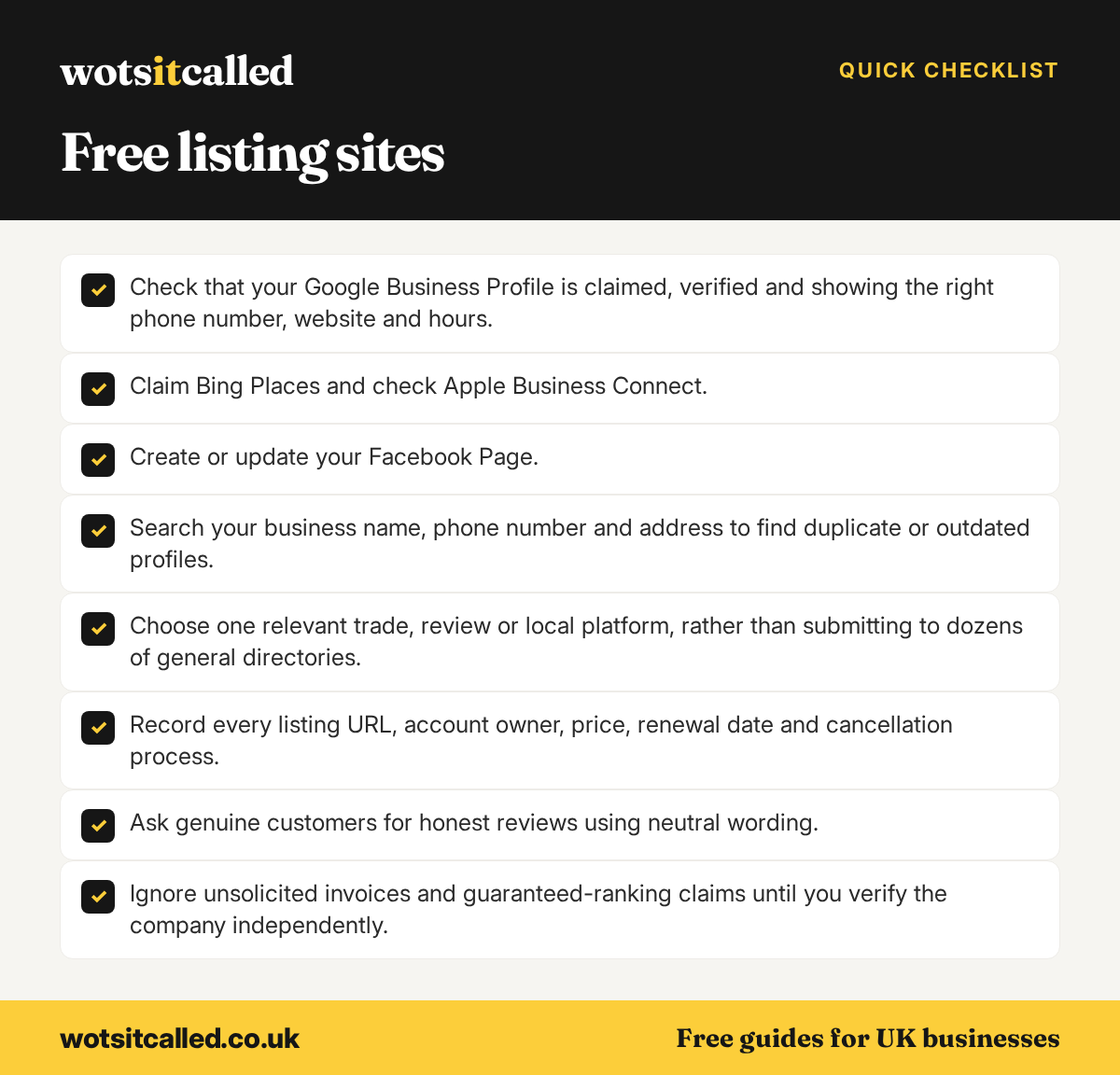
If you have 30 minutes, do these things first:
- Check that your Google Business Profile is claimed, verified and showing the right phone number, website and hours.
- Claim Bing Places and check Apple Business Connect.
- Create or update your Facebook Page.
- Search your business name, phone number and address to find duplicate or outdated profiles.
- Choose one relevant trade, review or local platform, rather than submitting to dozens of general directories.
- Record every listing URL, account owner, price, renewal date and cancellation process.
- Ask genuine customers for honest reviews using neutral wording.
- Ignore unsolicited invoices and guaranteed-ranking claims until you verify the company independently.
Facts in this guide were checked against the sources linked on 7 October 2026. Platform rules and prices change, so check the linked page before you rely on a detail.
More free guides for business owners
- How to Make the Most of Your WotsItCalled Listing
- How to Get Found on Google as a Small UK Business
- How to Optimise Your Business Listing
- Is SEO Worth It for a Small Business?